
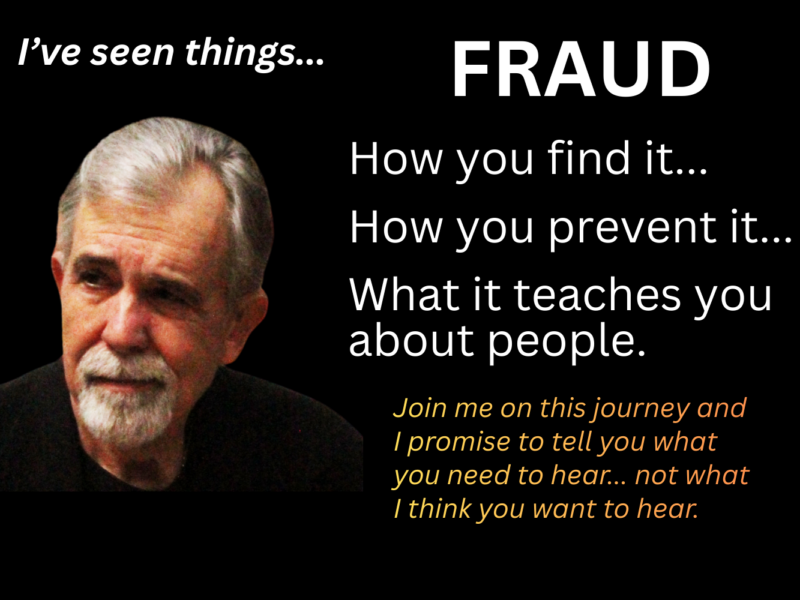
The Truth About Success No One Talks About
I didn’t build this blog to impress anyone.
I built it because the road I walked wasn’t easy—and most people never hear the truth about what it really takes to succeed—in investigations, in business, or in life.
If you’re looking for corporate platitudes or recycled LinkedIn advice, you won’t find it here.
I don’t write about “best practices.”
I write about the choices that make or break your reputation when no one’s watching.
Along the way, I came to understand something most people never say out loud.
Success doesn’t happen because you went to the right college, landed a good job, or stayed safely within the margins of what’s expected of you. It happens in competitive markets—in the trenches—where it often feels like smarter, louder, better-connected people are passing you by.
That’s when doubt creeps in.
That’s when people begin to rationalize why the journey might not be worth it, or why success may simply be out of reach.
You’re trying to build something that lasts—a career, a reputation, a network—knowing full well you’re going to make mistakes along the way. You search for the one insight, the one decision, the one edge that will finally make things click. Not just professionally, but in the eyes of the people who matter most to you.
Failure Is the Cost of Admission
I spent more than three decades in the trenches of forensic accounting investigation. Building a practice from scratch. Hiring and training the right people. Convincing the most successful criminal attorneys in the country to trust me with their cases. Chasing fraud. Confronting deception. Sitting across the table from people who never planned to do anything wrong—until pressure made the decision for them.
Here’s what I learned the hard way: failure isn’t the opposite of success.
It’s part of the cost of admission.
The people who grow—who endure—are the ones willing to be uncomfortable, to get things wrong, and to keep going anyway. Most people don’t fail out. They opt out. They settle. Not because they aren’t capable, but because the journey demands more patience, humility, and resilience than they expected.
Who This Blog Is For
That’s what I’m here to talk about.
This blog is for the student who wants more than a textbook can teach.
For the young professional who feels the weight of expectations but hasn’t yet learned how to trust their instincts.
For anyone trying to build a career—and a life—that can withstand pressure.
I’ll write about what I’ve learned from real investigations, real failures, and real moments when the truth mattered more than comfort. And I’ll challenge you to do things most people avoid: asking harder questions, taking the tough assignments, telling the truth when it costs you, and betting on yourself before anyone else does.
I’m not here to preach.
I’m here to mentor—the way I wish someone had mentored me.
If you’re willing to take the road less traveled, you’ll find your own kind of success here.
The kind that lasts.
The kind you don’t have to apologize for.
Welcome to The Fraud Guy.
Let’s get to work.
Topics I’ll Be Writing About
Trust, Betrayal, and Misplaced Confidence
- Why the people you trust most are often the greatest risk
- The best control mechanisms to safeguard your assets
- Trust only “Good People” and how to make that determination
- Why fraud is rarely about greed—and almost always about rationalization
- How intelligent people talk themselves into bad decisions
- Because it’s simply wrong….
- What my investigations have taught me about trust
Interviews, Confessions, and the Search for Truth
- The only way to begin every investigation
- The Admission-Seeking Interview—and why it’s your number one objective in every investigation
- Why guilt is the investigator’s most powerful ally
- How interviews really work when defenses drop
- What it means to boil an interview down to one question
- The box top to the jigsaw puzzle
Winning Human Relations Techniques
- Learn to have a conversation that works
- Want to make a lasting impression on someone?
- The one thing everyone responds to and makes you memorable
- You teach people how to treat you
- The highest compliment you can pay someone
- People don’t so much buy what you do—they buy why you do it
- Shut up and listen!
Careers, Craft, and Becoming Dangerous (in a Good Way)
- Skill vs Talent—and why talent is oversold
- Lose sight of the shoreline
- Get off Someday Isle
- Habits that will make you stand out in a crowd
- Why nothing happens until something i s sold
- How to grow a practice and earn credibility
- Why public speaking terrifies people more than death
- I’ve never had an original thought—and why that’s a good thing
Perception vs. Reality
Attraction works better than promotion
Why reality often matters less than perception
Why it’s always about them—and never about you
How narratives form long before evidence is examined
Are you a victim of Imposter Syndrome?
Frequently Asked Questions
What is The Fraud Guy Blog about?
The Fraud Guy Blog is written by Tom Golden, CFE, a former PwC forensic accounting partner with 30+ years investigating financial crimes as partner-in-charge of PwC’s Chicago Forensic Accounting practice. The blog covers real fraud investigation stories, forensic accounting insights, fraud detection and prevention strategies, career development for accounting and finance professionals, and the hard-won lessons from decades in the trenches of financial crime investigation. Tom writes about what it actually takes to succeed – not corporate platitudes, but the choices and instincts that build lasting careers and reputations.
Who is The Fraud Guy?
The Fraud Guy is Tom Golden, CFE – a retired PwC forensics partner, author, and speaker. Golden spent more than three decades chasing fraud, building a forensic accounting practice from scratch at PwC, training investigators, and sitting across the table from people who never planned to do anything wrong until pressure made the decision for them. He is the lead author of A Guide to Forensic Accounting Investigation published by Wiley, the author of the Sam Halloran thriller series, and was featured in the documentary All The Queen’s Horses about the $54 million Rita Crundwell municipal fraud case.
What can students and young professionals learn from The Fraud Guy Blog?
Students and young professionals can learn the things textbooks rarely teach – how fraud actually works, what separates good investigators from great ones, how to build a career on trusted relationships rather than credentials alone, and how to develop the human skills that AI cannot replace. Tom Golden writes specifically for students who want more than a textbook can offer and for young professionals who feel the weight of expectations but haven’t yet learned to trust their instincts. His blog draws on real investigations, real failures, and real moments when the truth mattered.
What does “failure is the cost of admission” mean in a professional career?
Tom Golden’s principle that failure is the cost of admission means that setbacks, mistakes, and difficult periods are not signs that you are on the wrong path – they are a necessary part of building a career that lasts. The people who grow and endure are the ones willing to be uncomfortable, to get things wrong, and to keep going anyway. As Golden observes, most people don’t fail out of their ambitions – they opt out. They settle not because they aren’t capable but because the journey demands more patience, humility, and resilience than they expected. Accepting failure as part of the process rather than evidence of inadequacy is what separates those who build lasting careers from those who stop short.
What topics does Tom Golden cover on The Fraud Guy Blog?
Tom Golden covers fraud investigation, forensic accounting techniques, fraud prevention, the psychology of white-collar crime, whistleblower programs, the fraud triangle, career development for accounting and finance professionals, soft skills and people skills in professional settings, and lessons from his 30+ year career investigating financial crimes. He also writes about the real experiences behind his Sam Halloran thriller series and what it takes to turn a lifetime of fraud investigations into compelling fiction. Every post draws on real cases, real people, and real moments from his career.